Desk 01 — Property
Buildings. Tenants.
Rent.
The oldest of the four desks and much the least dramatic.
Bricks you could walk to, and a rent roll to match.
Which buildings, in which cities, in what proportion — all of it decided by this desk. Nothing on this page requires anything of you.
We buy the tenant at least as much as the building.
A building is only worth what somebody will reliably pay to occupy it, so we start at that end: who is in there, how long they are contracted for, what happens to their business in a recession, and how quickly the space could be relet. The bricks come second.
That preference shows in what we own: offices, flats and warehouses in places where demand does not rest on one employer or one industry. Long leases with tenants who can pay them, rather than short leases at a headline rent nobody renews.1
No single city or sector is allowed to dominate. A local downturn should cost us a line, never the column. That constraint has kept us out of several markets we rather liked, and we treat it as a feature rather than a cost.
We are landlords, not traders. A building we cannot picture owning in fifteen years is one we do not buy.
Rent is the point, but not the whole of it. Where a district is visibly improving we buy ahead of it and wait. Any gain in value is a second return stacked on the first, and we are content for it to arrive slowly.
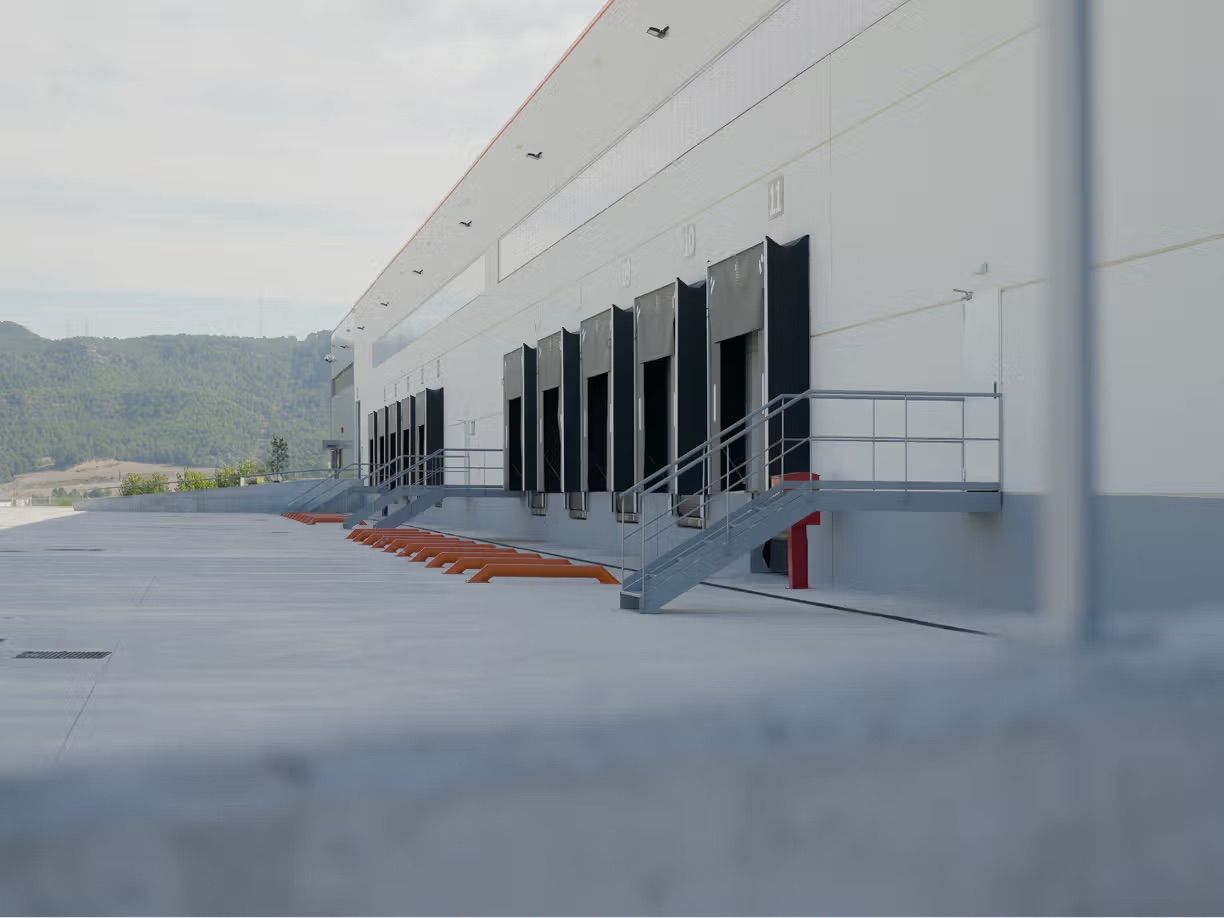
Rent is collected monthly and pooled centrally. Running costs, repairs and a reserve for the roof that will eventually need replacing are taken first. What remains is distributed to investors each quarter, on the published date, and credited to your balance.2
Gaining exposure to any of this takes a single allocation. You never see a tenancy agreement, a service-charge dispute or a quote for a new boiler.3
Property is a business of small, dull, repeated decisions. We make several thousand of them a year so that your involvement stays at none. Somebody has to read the lease.
What happens after the money arrives.
The first step is yours. The other five happen whether you are watching or not.
- 01
Money in
Your capital clears and appears in your balance. Your part is finished.
- 02
Put to work
The desk assigns it across buildings already held and those being bought.
- 03
Kept let
Lettings, renewals, repairs, arrears and inspections — the unglamorous half.
- 04
Rent gathered
Rents and any sale proceeds are pooled centrally, not building by building.
- 05
The sums
Costs and reserves come off, and the committee signs off the net figure.
- 06
Money out
Your share is credited on the published date. Then it begins again.
Rough arithmetic
What an allocation might do here.
Move the slider to see how an amount would have behaved at the property book’s typical net yield. An illustration, not an offer.
These numbers illustrate and guarantee nothing. Rents fall, buildings sit empty and property values move. Read the full disclosures.
The property portfolio, asset by asset.
Lettings, vacancies, rent collected and distributions paid — the grade-A buildings held, and those we chose to divest.
No charge · leave whenever you like